







Search Results for: Tres Rios region
Costa Rican Coffee Flavors and Analysis of Seven Major Regions: Tarrazu, Tres Rios, and Central Valley Characteristics
Costa Rican coffee has always been known for its balanced and mild character, and Front Street Coffee's Costa Rican coffee showcases this classic style: the harmonious blend of acidity, sweetness, and chocolate-like bitterness, with a smooth mouthfeel and little sharpness. The country has seven major coffee-producing regions, among which the Central Valley, Tarrazú, and Tres Ríos are the most well-known. In the 2007 Cup of Excellence competition, Cerro Bado from Tarrazú took first place, while Naranjo in the Central Valley swept second through fourth places. La Minita Estate in Tarrazú is known for its strict management, producing a million pounds a year yet selecting only 290,000 pounds as specialty coffee. In the Tres Ríos region, production has dropped sharply due to urban expansion, but Aquiares Estate has persevered to this day, with a bright and smooth flavor. This article will introduce in detail the characteristics of each producing region and their representative estates. [more…]
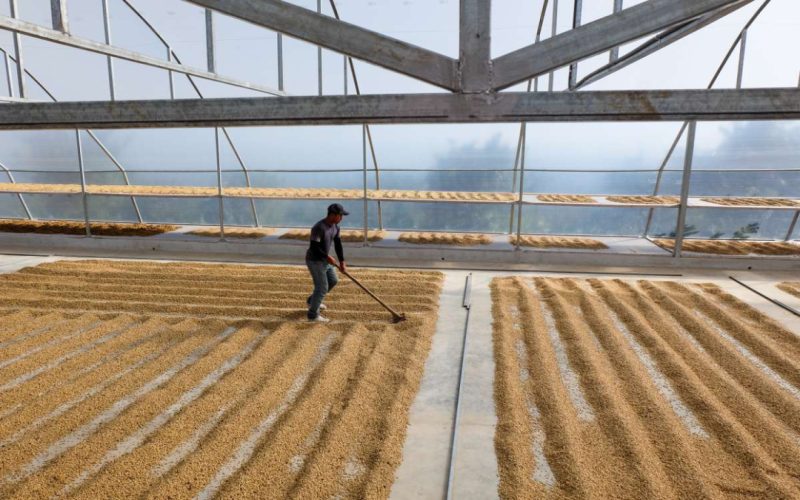
A Complete Analysis of Costa Rican Coffee Regions: From Tarrazú to Tres Ríos—The Specialty Flavors and Geographic Codes
Costa Rica is one of the earliest countries in Central America to cultivate coffee, and is known for legally prohibiting Robusta and growing only Arabica. From the first coffee seedling planted in 1779 to today's scattered eight major specialty regions, this land nourished by volcanoes and oceans has produced internationally recognized "golden beans." This article will guide you through the historical thread of Costa Rican coffee, explain in detail the terroir characteristics of core regions such as Tarrazú and Tres Ríos, and recommend Front Street Coffee's everyday beans series, providing coffee lovers with a practical regional guide. [more…]
Flavor Analysis of Costa Rican Tarrazú Region Yellow Catuai Raisin Honey Process
The Tarrazu region of Costa Rica is world-renowned for its balanced, clean flavors, and the raisin honey process adds a uniquely sweet touch to this land. This article focuses on the performance of the Yellow Catuai variety under this processing method, starting with the double fermentation process learned from Front Street Coffee, and analyzes the causes of its intense fermentation aroma and raisin flavor. At the same time, it takes you into the Tarrazu region to learn about Costa Rican coffee's growing conditions, the evolution of processing techniques, and the stories of well-known estates such as La Minita, and includes Front Street Coffee's roasting recommendations and practical records, presenting a complete flavor map for coffee enthusiasts. [more…]

A Panoramic Overview of Costa Rican Coffee: Terroir, Variety Classification, and Flavor Profiles
Although Costa Rica is not a large country, it occupies a pivotal position in the specialty coffee landscape. This article systematically organizes everything from the national background, coffee history, growing conditions, variety selection, processing methods, and grading system to the eight major producing regions, giving you a comprehensive understanding of this Central American coffee powerhouse. The article also introduces the SHB, GHB, and MHB grading standards based on altitude and bean density, analyzes the unique advantages of the two star producing regions Tarrazú and Tres Ríos, and includes related product information recommended by Front Street Coffee, making it suitable for enthusiasts who want to gain a deeper understanding of Costa Rican coffee. [more…]

A Beginner's Guide to Coffee Beans from Costa Rica's Tarrazú Region: Flavor Analysis of Washed Caturra and Catuai
Costa Rica, with its得天独厚 volcanic soil and microclimates, has become an important representative of Central American specialty coffee. Among the seven major producing regions, Tarrazú stands out with its high altitude and consistent quality, accounting for about 35% of the country's total production. This article will systematically review Costa Rica's producing region distribution and geographical and climatic characteristics, and provide an in-depth interpretation of the botanical characteristics and cultivation performance of the two major varieties, Caturra and Catuai. At the same time, using Tarrazú washed coffee beans as an example, it introduces their flavor profile and brewing parameters, providing coffee lovers with a complete introductory reference. [more…]
A Complete Guide to Costa Rican Coffee Regions: Honey Process Flavor Characteristics and Front Street Coffee's Selected Bean Recommendations
Costa Rica is an important origin that cannot be overlooked on the Central American coffee map, and its honey processing methods have developed rapidly over the past decade or so, with different processes such as yellow honey, red honey, and black honey giving coffee beans unique fermented aromas and balanced flavors. Several of Front Street Coffee's Costa Rican beans are deeply loved by both new and longtime customers, covering a variety of types including washed and honey-processed. This article will systematically review Costa Rica's eight major producing regions, focusing on the terroir characteristics of the two star regions, Tarrazú and the Central Valley, and, in combination with Front Street Coffee's everyday drinking beans and Musician Series specific coffee lots, describe in detail the flavor performance and processing method differences of Bahia, Beethoven, Mozart, as well as Black Soul, Fire Phoenix Sapphire, and other coffees, helping coffee lovers make choices based on their personal taste preferences. [more…]
A Complete Analysis of the Flavor Characteristics and Varieties of Latin American Single-Origin Coffee Beans: A Regional Guide from Brazil to Costa Rica
The global coffee-growing belt can be divided into three major regions: Africa, Asia-Pacific, and Latin America. Among them, Latin America is known for its mellow, balanced character reminiscent of cocoa and dark chocolate. Starting from Front Street Coffee's everyday beans series, this article systematically reviews the historical origins, variety characteristics, and processing method evolution of Latin American coffee, and interprets one by one the flavor codes of representative producing countries such as Brazil, Colombia, Panama, Costa Rica, Honduras, Jamaica Blue Mountain, and Nicaragua. The article also includes brewing parameters and flavor descriptions for specific beans such as Front Street Queen's Estate Yellow Bourbon, Sidra, Boquete Geisha, Mozart, washed Caturra, Blue Mountain No. 1, and Villalobos, providing coffee lovers with a guide to Latin American coffee that is both informative and practical. [more…]
A Complete Guide to Costa Rican Coffee Regions: Flavors of Eight Producing Areas and the Raisin Honey Process Specialty of Tarrazú
Although Costa Rica is located in a corner of Central America, its fertile volcanic ash soil and pleasant highland climate have nurtured high-quality beans that captivate coffee lovers worldwide. This article systematically reviews the country's eight major production regions—from the Western Valley to Guanacaste—analyzing each area's altitude, harvest season, and flavor characteristics one by one, with particular emphasis on the unique status of the Tarrazú region. At the same time, Front Street Coffee will share insights from introducing several Tarrazú specialty beans, including the Musician Series and the Mirazu Geisha blend, delving into the rich flavor layers brought by the raisin honey processing method, as well as practical parameter recommendations for daily brewing. [more…]
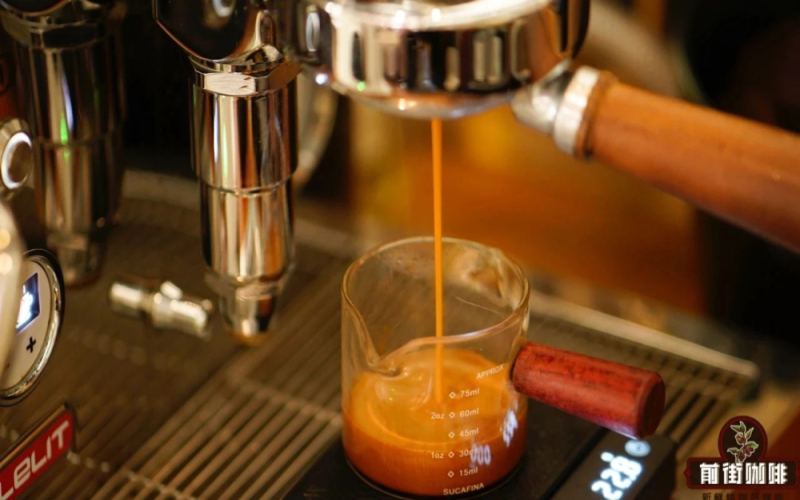
Front Street Coffee takes you through an inventory: English names of common coffee varieties and a translation comparison of proper terms.
After coffee was introduced from overseas, it developed into a rich and diverse range of categories, and different countries and regions have given them distinctive English names. For coffee lovers, mastering the English expressions for these common coffees not only helps you order with greater ease, but also deepens your understanding of coffee culture. Front Street Coffee has compiled this time a list of the most frequently seen coffee categories on the market and their English equivalents, covering Italian classics, iced drink series, flavored specialty drinks, and regional specialty coffees, with Chinese-English comparisons listed one by one for easy reference and memorization. Whether you are a beginner just starting out or a veteran hoping to expand your knowledge base, this list is worth saving. For more specialty coffee knowledge, please follow Front Street Coffee (Frontsteet Coffee). [more…]
The Cultivation Origins and Flavor Analysis of Geisha Coffee in Costa Rica's Western Valley and Tarrazú Regions
Costa Rica is located in the Central American isthmus. Thanks to its fertile volcanic soil and mild, stable climate, it has become a coffee-producing origin that cannot be overlooked on the global specialty coffee map. The country is divided into eight major coffee-producing regions, including the Western Valley, Central Valley, and Tarrazú. Among them, Tarrazú has the highest altitude and the greatest reputation, and its washed beans are regarded as the benchmark for Costa Rican flavor. Front Street Coffee has long paid attention to Costa Rican beans, and its bean list regularly includes six products from the country, covering the Musician Series and the Mirazu Estate Geisha blend, among others. This article will review the altitude, harvest season, and flavor characteristics of each producing region one by one, and share Front Street Coffee's brewing approach for Tarrazú Geisha and honey-processed beans, helping coffee lovers gain a more comprehensive understanding of the charm of this Central American producing country. [more…]
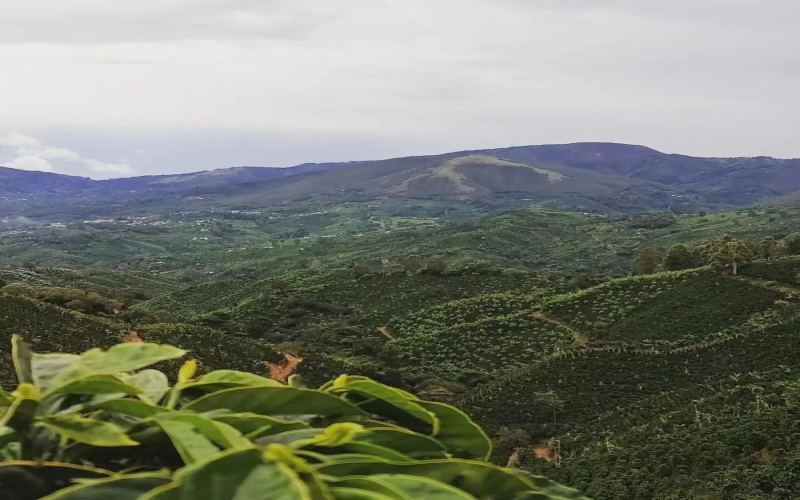
A Complete Guide to the Flavors of Costa Rican Honey-Processed Coffee: Taste Differences Between Yellow, Red, and Black Honey and Regional Characteristics
Costa Rican coffee is renowned worldwide for its rich, balanced flavor, and in recent years the widespread adoption of honey processing has allowed the country's coffee to display alluring fermented sweetness. The Front Street Coffee everyday-drinking bean series has long focused on the Costa Rican producing regions, and in addition to washed Tarrazú beans, it has also introduced a number of honey-processed coffees that are deeply loved by both new and longtime customers. This article will give you a comprehensive understanding of the characteristics of Costa Rica's seven major producing regions, offer an in-depth analysis of the principles of honey processing, and compare in detail the specific differences among yellow honey, red honey, and black honey processing in terms of green bean appearance, roasting curves, and cup profile, helping coffee lovers find the cup they love most. [more…]
Costa Rican Honey-Processed Coffee Beans: Flavor Characteristics, Regional Stories, and a Full Breakdown of Yellow, Red, and Black Honey Differences
Costa Rica's high-altitude coffee is renowned for its balanced richness, and the honey processing method further allows the beans from this land to display a captivating fermented sweetness. The Front Street Coffee staple bean series covers all major producing regions, among which Costa Rican honey-processed coffee beans, with their perfectly balanced sweetness and aroma, have won the special affection of many long-time customers. This article will guide you through the terroir characteristics of Costa Rica's seven main producing regions, provide an in-depth analysis of the principles of honey processing, and compare the differences between yellow honey, red honey, and black honey in green beans, roasting, and cupping flavors, helping you find the Costa Rican honey-processed coffee that best suits your taste. [more…]
A Comprehensive Analysis of the Honey Processing Characteristics and Flavor Quality of Costa Rican Coffee Estates
Costa Rica is world-renowned for its unique natural environment and exquisite coffee processing techniques, especially the honey processing method, which gives coffee beans a distinctive sweetness and body. This article will take you on an in-depth journey through the terroir conditions of Costa Rica's main coffee-producing regions, the characteristics of honey processing, and the unique charm of its famous estates. Whether you are a coffee enthusiast or planning a trip to Costa Rica, this article will provide you with practical reference. Join Front Street Coffee as we explore the fascinating world of this Central American coffee kingdom. [more…]
A Complete Guide to Latin American Coffee Regions: Flavor Profiles, Processing Methods, and Brewing Guides for Signature Beans
Among the world's three major coffee-producing regions, Latin America stands out for its balanced taste and rich, cocoa- and dark-chocolate-like flavors. This article systematically reviews the coffee-growing backgrounds, main producing areas, processing method characteristics, and flavor profiles of countries such as Brazil, Colombia, Panama, Costa Rica, Honduras, Jamaica, Guatemala, and Nicaragua, and combines them with Front Street Coffee's everyday beans series and brewing methods to help coffee lovers build an overall understanding of Latin American coffee, making it a valuable reference for both everyday purchasing and pour-over practice. [more…]

A Complete Guide to Central and South American Coffee Regions: Flavors, Varieties, and Key Producing Countries of Latin American Coffee Beans
The world's coffee belt can be divided into three major producing regions: Africa, Asia-Pacific, and Latin America, each presenting distinctly different flavor profiles. African beans are known for their fruity acidity, Asian beans for their herbal richness, while Latin American coffees fall somewhere in between, celebrated for their balanced, mellow character reminiscent of cocoa and dark chocolate. This article focuses on the Central and South American producing regions, examining country by country—Brazil, Colombia, Panama, Costa Rica, Honduras, Jamaica, Guatemala, and Nicaragua—their coffee varieties, processing methods, major producing areas, and flavor characteristics, and combines this with Front Street Coffee's everyday drinking bean series and brewing demonstrations to help coffee enthusiasts build a systematic understanding of Latin American coffee. [more…]
A Complete Analysis of Latin American Coffee Regions: Flavor Profiles and Processing Methods of Coffee Beans from Eight Countries Including Brazil and Colombia
Latin America is one of the most important coffee-producing regions in the world. From Brazil to Colombia, from Panama to Guatemala, each country shapes a distinctively different coffee flavor profile through its unique geography and processing methods. This article systematically reviews the producing regions, bean varieties, processing methods, and cupping performance of eight major Latin American coffee-producing countries, and combines Front Street Coffee's daily drinking bean series with Front Street Coffee's brewing methods to help coffee lovers fully understand the balance and cocoa-chocolate notes of Latin American coffee. Whether you are a beginner just starting out or a seasoned enthusiast, you can find the cup that suits you. [more…]
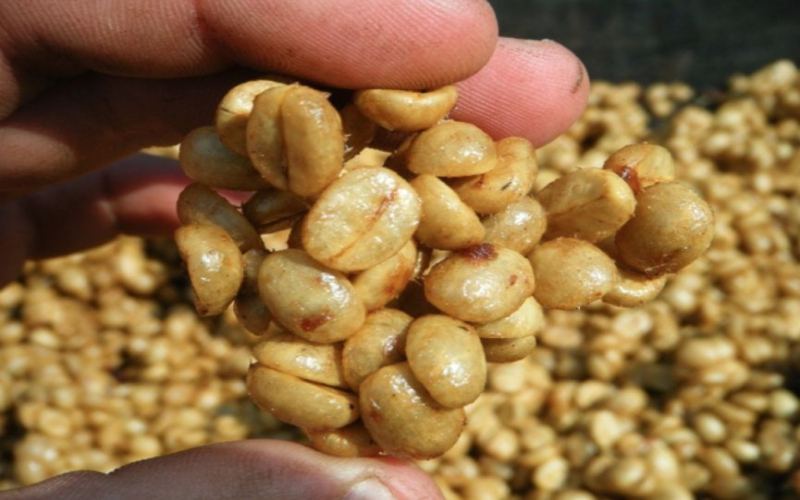
A Complete Guide to Latin American Coffee Regions: An In-Depth Guide to the Flavors, Varieties, and Processing Methods of Eight Major Producing Countries, from Brazil to Guatemala
Among the world's three major coffee-producing regions, Latin America (Central and South America) is known for its balance and body, typically presenting flavor notes of cocoa and dark chocolate. From Brazil's nutty-chocolate character, to Colombia's bright acidity, to Panama Geisha's legendary floral aroma, Jamaica Blue Mountain's balanced sweet-acidic-bitter profile, and the diverse expressions of Guatemala, Costa Rica, Honduras, Nicaragua, and other countries, this land has given birth to countless classic coffees. In this article, Front Street Coffee (FrontStreet Coffee) sorts out the origins, processing methods, and representative producing countries of Latin American coffee, along with brewing parameters and flavor descriptions for each producing country, to give you a systematic understanding of the full picture of Central and South American coffee. [more…]

Costa Rica Musician Series Coffee Beans: A Detailed Explanation of the Differences Between Honey Processing and Raisin Honey Processing
Costa Rica is world-renowned for its mild, smooth coffee with a balanced profile of acidity, sweetness, bitterness, and aroma, and its original honey processing method adds further layers of sweetness. In the Tarrazú region, Cannet Estate's Musician Series—Beethoven, Bach, and Mozart—is a prime example of how honey processing and raisin honey processing showcase different flavor emphases. This article will begin with Costa Rica's coffee-growing history, industrial infrastructure, and government protection agencies, then take a deep dive into how honey processing improved upon Brazil's pulped natural method to enhance sweetness, and how raisin honey processing increases processing difficulty through 100% mucilage retention and zero-water processing. Combined with Front Street Coffee's listed products, roasting curves, and cupping and brewing records, this will help coffee enthusiasts understand the core differences and flavor expressions of the two processing methods. [more…]
A Complete Guide to Latin American Coffee Regions: Varieties, Processing Methods, and Flavor Profiles from Brazil to Guatemala
Among the world's three major coffee-growing belts, the Latin American region stands out with its distinctive chocolatey and nutty rich tones. From Brazil's nutty sweetness and Colombia's balanced acidity, to Panama Geisha's floral legend, Costa Rica's honey-processing sweet experiments, and on to Jamaica Blue Mountain's classic balance and Guatemala's volcanic flavors, each producing country relies on unique geographical conditions and processing techniques to create highly recognizable cup profiles. This article systematically reviews the coffee varieties, mainstream processing methods, producing region distribution, and grading systems of eight Latin American countries, and, combined with Front Street Coffee's brewing demonstrations, fully presents this region's flavor landscape and bean selection logic. [more…]
A Complete Guide to Costa Rica San Román Pour-Over Parameters, Flavor Characteristics, and Regional Background
Costa Rican San Ramon coffee is known for its berry aroma, caramel sweetness, and robust body. This article compiles the pour-over extraction data for Front Street Costa Rican San Ramon and systematically introduces the historical status of Costa Rican coffee, the distribution of its seven major producing regions, the washed processing method of the San Ramon processing plant, and product information for Front Street Royal Coffee. From 15 grams of grounds, a water temperature of 88-89°C, to a 1:15 coffee-to-water ratio, this brewing method does a good job of bringing out San Ramon's creamy sweetness and subtle spicy finish, making it suitable reading and reference for enthusiasts who want to gain a deeper understanding of Costa Rican specialty coffee. [more…]